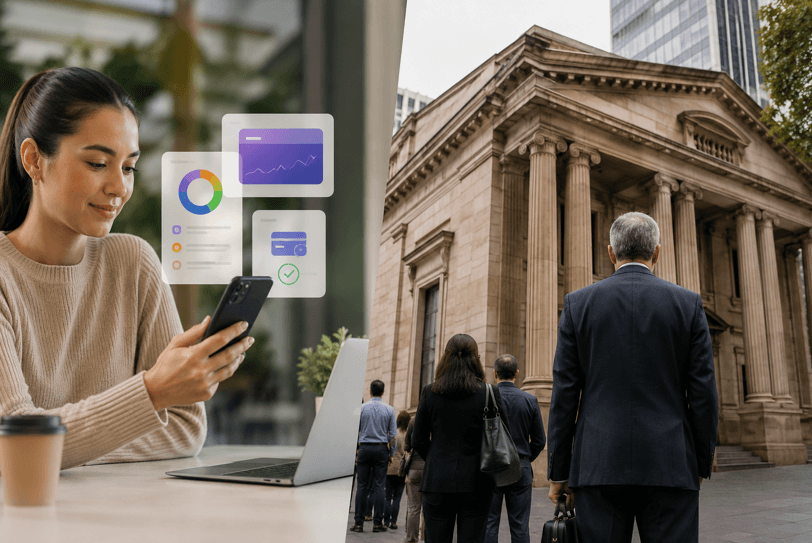
Australian banking has changed dramatically over the past decade, and consumers are the main beneficiaries of that shift. The rise of digital banks has forced traditional institutions to compete on fees, features, and customer experience in ways they never had to before. But the question of which is better – digital or traditional – isn’t as clear-cut as either side would have you believe.
Comparing Traditional and Digital Providers
Traditional Australian banks offer something digital providers can’t fully replicate: physical presence. Branch networks, in-person support for complex transactions, and the ability to deposit cash are genuinely useful for certain customers. If you’re a small business owner handling regular cash transactions, or if you’re not comfortable managing everything through an app, that physical infrastructure matters.
interesting case study because it sits in an interesting middle position. It’s a digital-first bank – no branch network in the traditional sense – but it’s backed by a large international financial institution with decades of history. That combination gives customers the efficiency and low-fee structure of a digital provider with the financial stability and customer service investment of an established bank.
Fees – The Differentiator?
The difference in fees between banks and traditional banks is often really big. The big banks in Australia still charge you a fee every month to keep your account open on a lot of their accounts. Digital banks often do not charge these fees anymore. Instead, they make money from the interest on your account and from services that you can pay for if you want to.
Digital banks are an option because they do not charge you a fee every month. Over the course of a year, this means you get to keep a hundred dollars or more in your pocket, which is a lot of money. Digital banks are a choice if you want to save money on fees.
Interest – Which is Better?
Interest rates on savings accounts have historically been more competitive at digital banks. Without the overhead costs of a branch network, digital providers can afford to pass more value to customers through higher savings rates. That said, the gap has narrowed as traditional banks have launched their own digital sub-brands.
Apps – The Modern Choice
The quality of apps is something that digital companies are usually better at. For example always getting ratings because it is easy to use it sends you notifications right away, and you can do a lot of things on it without having to call anyone. The old banks have spent a lot of money on their stuff but a lot of them still have old systems that are complicated and have been built up over many years.
See also: Technology in Modern Education Systems
Potential Downsides of Digital Banking?
The downside of digital banking is that it can feel impersonal when something goes wrong. If you have a complex dispute, a fraud case, or an unusual transaction that needs manual intervention, the experience of resolving it through a chatbot or phone line rather than walking into a branch can be frustrating.
Why Settle for One?
The smartest approach for many Australians is a combination: a digital-first account for everyday banking and savings, and perhaps a traditional bank relationship for mortgage or business banking where in-person support and a long-term relationship add genuine value.
Your banking setup should serve your life – not the other way around.