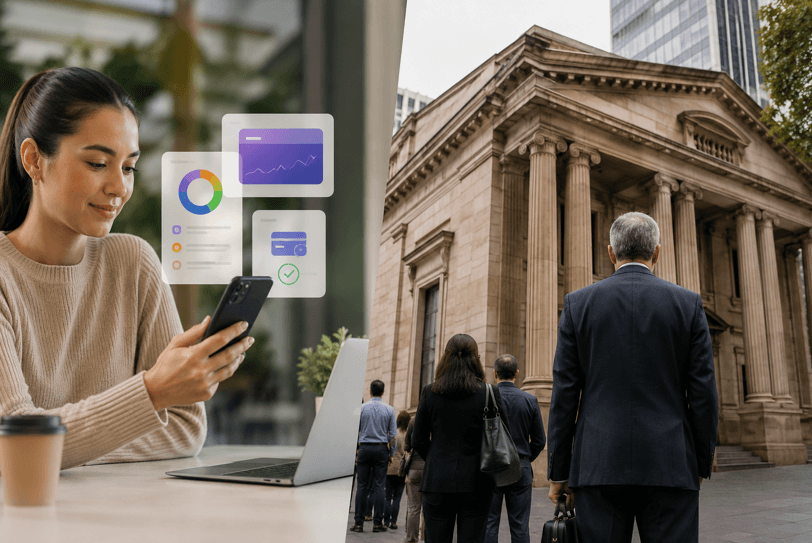
Technology in modern education systems enables personalized learning, real-time feedback, and adaptive tasks that align with student pace. Classroom analytics illuminate engagement and progress, helping teachers move from intuition to evidence. In higher education, analytics broaden access and tailor experiences while emphasizing transparent data governance and equity. Balancing privacy, equity, and teacher autonomy remains essential; clear metrics and scalable training guide continuous improvement. The next steps will influence policy, practice, and daily classroom decisions.
How Technology Transforms Classrooms Today
Technology has reshaped classrooms by enabling personalized learning paths, real-time feedback, and flexible access to resources.
In practice, adaptive tools adjust tasks to learner pace, while classroom analytics provide actionable insights on engagement and progress.
This approach supports autonomy, informed instruction, and efficiency, with teachers guided by evidence rather than intuition, enhancing collaboration, accountability, and outcomes across diverse student groups.
Personalization, Data, and Access in Higher Ed
Personalization, data, and access in higher education focus on tailoring learning experiences, leveraging analytics to inform instruction, and broadening entry points to coursework.
Institutions pursue personalization insights to adapt pacing and content, while evidence-based practices emphasize transparent data governance, responsible analytics use, and equitable access.
Users benefit from clearer pathways, but safeguards remain essential to ensure ethical, inclusive deployment and ongoing improvement.
Balancing Privacy, Equity, and Teacher Roles
Balancing privacy, equity, and teacher roles requires aligning data practices with classroom realities and ethical standards. In practice, schools must weigh privacy tradeoffs against transparency and trust, ensuring data informs instruction without stigmatizing students or narrowing opportunities. Attention to equity gaps clarifies who benefits from tools, supporting teacher autonomy, responsible supervision, and a humane, student-centered learning environment. Evidence-based, user-focused policies sustain freedom and accountability.
Practical Strategies for Schools and Policymakers
What concrete steps can schools and policymakers take to translate technology into measurable educational outcomes?
Implement clear metrics linking digital literacy to learning gains, with pilot programs evaluated by independent audits.
Invest in scalable training and ongoing support for teachers, ensuring equitable access.
Align policy implementation with data privacy safeguards, transparent reporting, and stakeholder feedback to refine practices and sustain momentum.
Frequently Asked Questions
How Is Student Data Protected in Ai-Enabled Assessments?
AI-enabled assessments protect student data through encryption, access controls, and minimal data collection, while ongoing audits ensure compliance. They prioritize consent and transparency, supporting AI assessment ethics by minimizing risk and centering user rights and practical safeguards.
What Are Cost-Effective Tech Tools for Underfunded Schools?
Budget friendly, open source tools exist for underfunded schools, delivering practical, evidence-based solutions. They emphasize reliability, user-centered design, and teacher autonomy, offering scalable collaboration, affordable maintenance, and transparent cost structures to support equitable access and learning.
How Can Teachers Measure True Digital Literacy Outcomes?
Measurement criteria and authentic assessment guide teachers in evaluating true digital literacy outcomes, emphasizing practical, evidence-based practices. It is a user-centered approach that respects learner autonomy, linking performance tasks to real-world competencies and demonstrating tangible, measurable skill transfer.
See also: Technology in Brand Strategy
What Policies Ensure Equitable Device Access at Home?
Policies for hardware access, home connectivity ensure equitable device access; Student privacy safeguards, data governance protect learners while enabling practical, evidence-based approaches. The framework remains user-centered and freedom-friendly, guiding implementation with measurable outcomes and transparent accountability.
How Do We Prevent Tech Bias in Curricula?
Bias mitigation is essential; curricula must adopt inclusive design, continuous evaluation, and diverse stakeholder input. The approach is practical, evidence-based, user-centered, and transparent, guiding educators to reduce assumptions and promote equitable access for all learners who seek freedom.
Conclusion
Technology in modern education stands as a reliable co-pilot: it guides learning with data-driven insights, adapts to diverse paces, and expands access while preserving essential privacy and equity. When implemented with transparent governance, continuous evaluation, and scalable training, schools can realize measurable gains in engagement, outcomes, and efficiency. Like a compass in a vast landscape, well-orchestrated tech aligns teachers, students, and policies toward equitable, evidence-based growth. The result is sustainable improvement across K–12 and higher education.