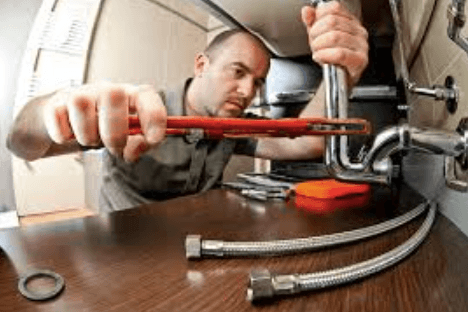
Common plumbing problems include leaks, clogged drains, running toilets, and corroded pipes, with drain clogs and corrosion among the most frequent culprits. Quick, practical steps exist: tighten connections, use a plunger or auger for clogs, replace worn washers, and reseat components as needed. If issues persist or involve gas, sewage, or structural concerns, a professional should be consulted. Preventive habits—seasonal checks and mindful use—can reduce emergencies, but some questions remain for the next step.
What Plumbing Problems Do I See Most Often
Common plumbing issues people encounter most often include persistent leaks, clogged drains, and running toilets. The list highlights drain clogs and pipe corrosion as frequent culprits. Regular inspection detects corrosion early and prevents pinhole failures. Maintain with corrosion-resistant materials, proper venting, and routine cleanouts. Address leaks promptly, monitor water pressure, and replace aging components to minimize downtime and water waste.
Quick Fixes You Can Try Right Now
Quick fixes can stem leaks and restore function without a full call-out. The guide presents practical steps for immediate impact: drain clogs can often be managed with a plunger or auger, while faucet leaks may respond to tightening connections or replacing washers. Each action prioritizes safety, clarity, and measurable results, avoiding unnecessary parts or complexity for quick, confident repairs.
When to Call a Pro for Each Issue
When should a homeowner escalate to a professional for each common issue? If a problem persists after basic DIY attempts, involves gas, sewage, or structural damage, or risks water damage, tripping hazards, or mold growth, call a pro promptly. Proactive maintenance reduces surprises; weigh Cost considerations and safety before decisions. Professionals provide reliable, durable solutions.
See also: Technology in Brand Strategy
Preventive Tips to Avoid Future Leaks and Clogs
Regular maintenance and mindful habits can prevent many leaks and clogs before they start, building on the idea that proactive care reduces surprises. Implement preventive maintenance schedules, including seasonal checks and prompt faucet or joint reseating. Conduct Routine inspections of piping, drains, and appliances, address slow drains promptly, and replace worn seals.
Clear debris, avoid chemical overuse, and document findings for ongoing reliability.
Conclusion
In the grand theater of pipes, the most vocal actors are leaks, clogs, and questionable washers. The director—common sense—yells, “Try a plunger, tighten a nut, replace a washer,” while the understudies—augers and cleaners—murmur about heroic conquests. If the stagehands whisper “gas or sewage,” call a pro. With preventive cues—seasonal checks and restraint from chemical sorcery—the show might run without intermission. Curtain falls: DIY wisdom, occasional pro interludes, and fewer dramatic drips.